
Search Bar

You don’t need me to tell you that driving in Ohio in the winter can be rough. But I’ll tell you anyway, because it matters, especially when we’re talking about your tires.
I’ve been wrenching on cars for more than 25 years, and if there’s one thing I see every single January, it’s good people sliding around in vehicles that should’ve had new tires months ago. Just last week, a guy came into our Parma Heights shop after sliding through a stop on York Road. He had decent brakes. But his front tires? Nearly bald. They just couldn’t grab the pavement.
That’s what we’re up against here in Northeast Ohio. Between black ice, lake-effect snow, slush, potholes, and hard freezes, your tires are doing a whole lot more than just getting you from point A to B, they’re keeping you on the road altogether.
So let’s break it down. What do you actually need to know about winter tire safety? And how can you make sure you’re not the next driver fishtailing into a snowbank outside of Medina or Westlake?
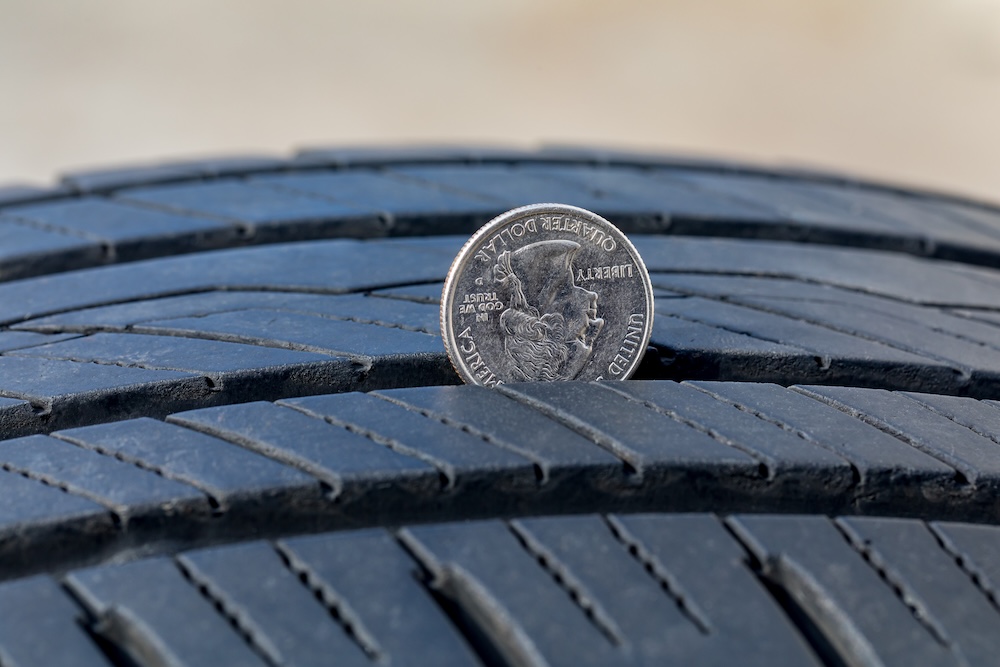
Most folks think if the tires still look “round,” they’re probably fine. But what matters is tread depth—and in winter, anything less than 5/32″ is starting to get sketchy.
Think of your tread as your tires’ ability to move snow and slush out of the way. Once the grooves are too shallow, the tire rides on top of the mess instead of cutting through it. That’s when you start sliding when you brake or losing grip around turns.
We see it every day. Someone comes in because their ABS kicked in too much or their car feels squirrelly on the highway. We measure the tread, and it’s well below what we’d recommend for winter. Legally you can drive on 2/32″ tread—but that’s a summer spec. Not for roads like Broadview Road after a freezing rain.
If you’re not sure, come in. We’ve got the gauges, and it takes us about 30 seconds to measure all four tires. No guesswork. No fluff.
Here’s another thing a lot of drivers forget: your tire pressure drops as temperatures fall. On average, you lose 1 to 2 PSI for every 10 degrees. That means when we go from a mild 50-degree day in early December to a 10-degree morning in January, your tires could be down 6 or 7 PSI—and you might not even notice.
That loss in pressure doesn’t just hurt fuel economy. It affects steering, braking, and it causes your tires to wear unevenly. Worst case? Sidewall failure or blowouts when the rubber’s already cold and brittle.
We check tire pressure with every oil change, but honestly, it’s worth checking it yourself every couple of weeks during the winter. Use a basic pressure gauge—digital or analog, doesn’t matter. What matters is that you’re matching the PSI number on the driver-side door jamb, not the max pressure printed on the tire.
If I had a dollar for every time someone asked me this, I’d have another lift in the shop by now.
So here’s the truth, from a guy who’s tested both plenty: winter tires aren’t just a marketing gimmick. They’re built differently. The rubber compound stays soft in cold temps, so they grip better. And the tread patterns are designed to dig into snow and ice.
If you’re doing a lot of highway driving—say, commuting from Strongsville to downtown Cleveland in the dark—and your car still has all-season tires on it, you’re running at a disadvantage. Same goes for folks driving hills or backroads around Smithville or Fairlawn. Winter tires give you shorter stopping distances and better handling when conditions get nasty.
Now, if you stick close to home and drive mostly on cleared roads—like inside city limits where the plows get there fast—then a solid set of all-seasons might be fine. But the key is this: tread depth still matters. If your all-seasons are worn down, it doesn’t matter how good they were last year. They’re not safe for snow.
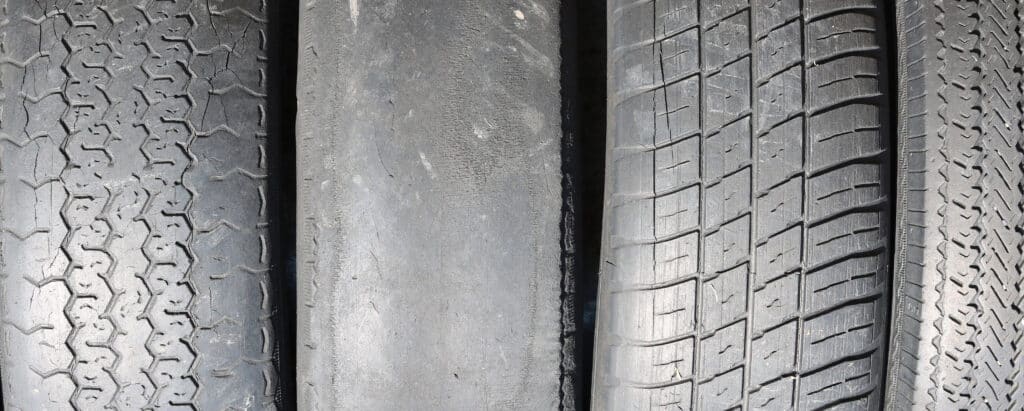
One of the biggest mistakes drivers make is waiting for their car to “feel weird” before getting tires checked. By the time you feel vibration, sliding, or pulling, the damage is already done—or you’re one bad storm away from losing control.
Here are some real signs it’s time for tire service:
Rotations help, too. I recommend rotating tires every 5,000 to 6,000 miles, especially in winter. That helps wear stay even, improves traction, and can buy you more miles before needing a full replacement.
Alignment matters as well. One good pothole on Route 2 or I-77 can knock things out just enough to cause uneven wear. And once that pattern starts, it accelerates fast.
Look, I’ve seen the aftermath of blown-out tires, spinouts, and vehicles that skidded into something because the traction wasn’t there. And almost every time, it was preventable.
You don’t need fancy upgrades. You just need tires with enough tread, the right pressure, and the right type for your driving. That’s it.
If you’re not sure what shape your tires are in, bring your vehicle in. We’re not going to give you a sales pitch—we’ll just check what you’ve got, give you straight answers, and if something needs to be done, we’ll walk you through it.
We service winter tires, rotate them, install them, and we help folks decide if it’s time to switch back when spring comes around. No games, no pressure—just real auto care from people who live in the same snowy neighborhoods you do.
Rad Air has 11 Northeast Ohio locations, including Akron, Seven Hills, Wickliffe, Garfield Heights, and more. Search “tire service near me” and you’ll probably find us at the top. But the better way? Stop in, ask for a tire check, and let’s make sure your car grips the road the way it should this winter.