Transmission Trouble in Northeast Ohio: What Those Warning Signs Mean and Where to Get Help

June 20, 2026

Transmission problems are the kind of thing most drivers hope they never have to deal with. The transmission is one of the most complex and expensive systems in your vehicle, and when something goes wrong, the symptoms can range from mildly annoying to genuinely dangerous. The good news is that most transmission failures do not happen overnight. They build slowly, and if you know what to watch for, you can catch them early enough to make a real difference in the outcome.

At Rad Air Complete Car Care, we have been diagnosing and repairing transmission issues across Northeast Ohio for decades. Our technicians understand how local driving conditions affect transmissions, and they know how to separate a minor fluid concern from a deeper mechanical problem. This article covers the most common warning signs, what causes them, and why the right diagnosis matters more than anything else.

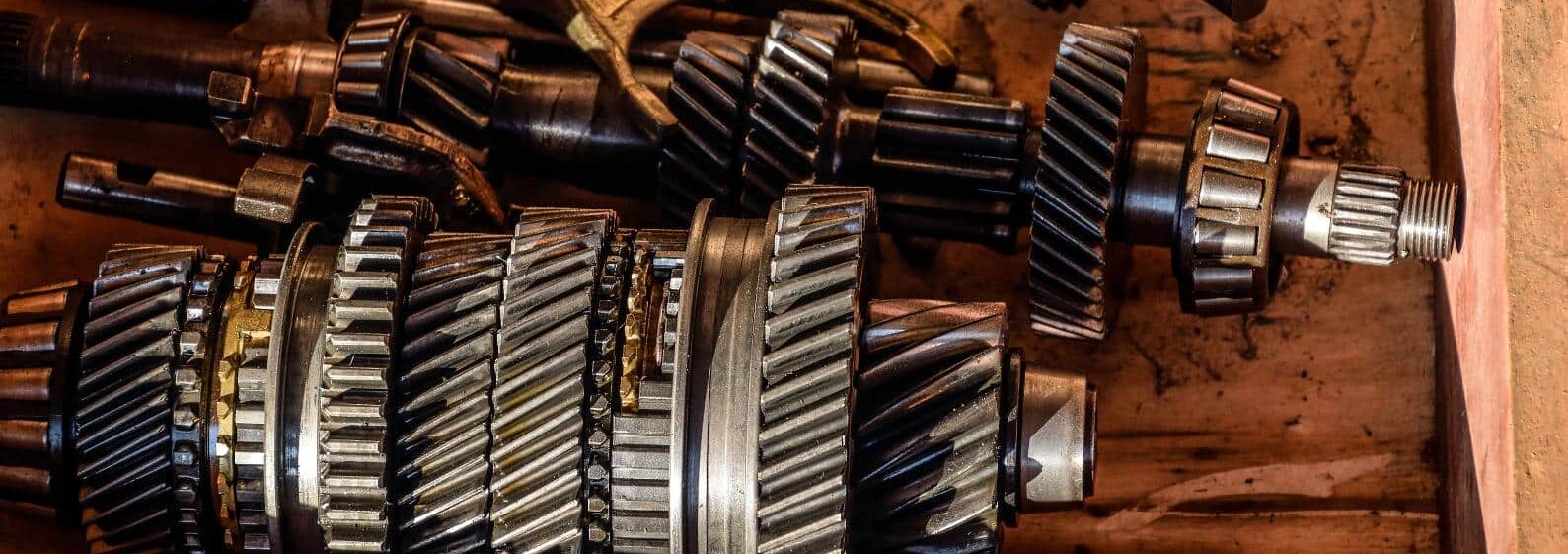
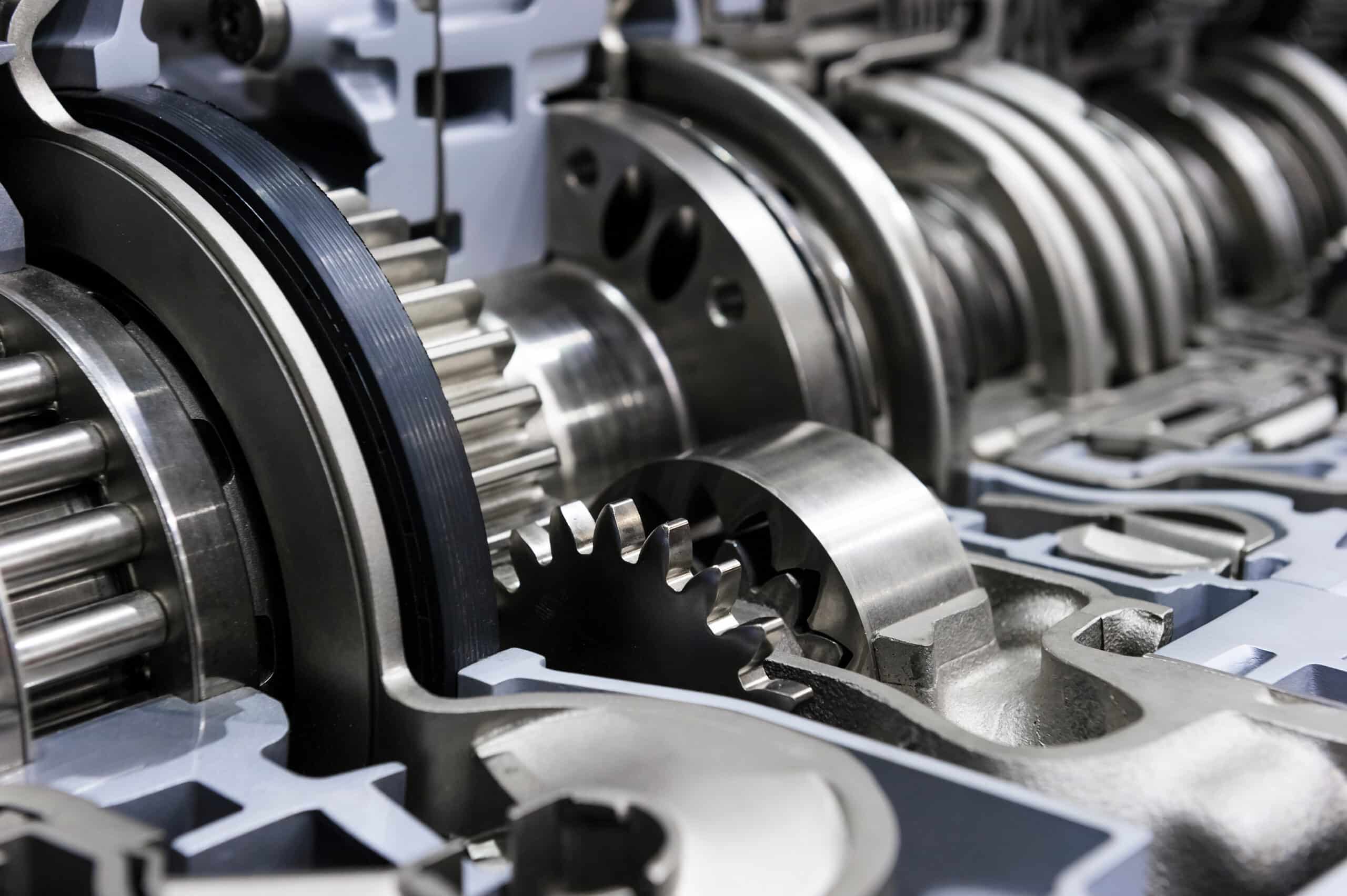
Transmission components inspected at Rad Air Complete Car Care

Recognizing the Warning Signs

Transmission problems show up in several ways, and the first symptoms are often subtle enough that drivers dismiss them. That is a mistake. The earlier a transmission issue is identified, the more options you have and the less likely it is to become a major repair.

One of the most common complaints we hear is gear slipping. This feels like the transmission dropping out of gear momentarily while driving, or the engine revving higher than expected without a corresponding increase in speed. It can happen during acceleration or while cruising at highway speeds, and it often comes and goes in the early stages.

Delayed engagement is another frequent sign. You shift from park to drive or reverse, and there is a noticeable pause before the vehicle responds. In a healthy transmission, that shift should feel almost immediate. A delay of even one or two seconds can indicate internal wear or a fluid issue.

Harsh or rough shifting is hard to miss. Instead of smooth transitions between gears, the car jerks or slams into the next gear. This can happen in both automatic and CVT transmissions, and it tends to be more noticeable during cold starts in the winter.

Unusual noises during gear changes are also a concern. Grinding, whining, or clunking sounds while shifting often point to internal component wear. A burning smell, particularly one that is sharp or chemical in nature, can indicate overheated transmission fluid or friction material breaking down inside the unit.

Fluid leaks are one of the easier symptoms to spot. Transmission fluid is typically reddish when new and turns brown or dark as it ages. If you see spots under your vehicle where you park, check the color. Transmission fluid that is dark, smells burnt, or contains visible particles is telling you something is wrong.

A check engine light can also be transmission-related. Modern vehicles store diagnostic trouble codes that point to specific systems, and many of those codes involve the transmission control module, solenoids, or sensors.

Why Northeast Ohio Conditions Are Hard on Transmissions

Our driving environment puts extra stress on transmissions in ways that drivers in milder climates simply do not deal with.

Cold weather thickens transmission fluid, which reduces its ability to lubricate and protect internal parts during the first several minutes of driving. If you are making a short trip from your house in Strongsville to the store and back, the fluid may never fully warm up. Over time, that repeated cold cycling accelerates wear on clutches, seals, and valve body components.

Stop-and-go traffic is another factor. Commuters who sit in heavy traffic on I-480, I-77, or through downtown Cleveland put their transmissions through hundreds of shift cycles per trip. Each cycle generates heat, and heat is the number one enemy of transmission longevity.

Road conditions also matter. Potholes and rough pavement can stress transmission mounts and driveline connections. A mount that has cracked or loosened can cause vibration that gets mistaken for an internal transmission problem, which is why accurate diagnosis is so important.

A driver came into our Akron shop last spring convinced his transmission was failing. He described shuddering during light acceleration and a clunking noise on rough roads. After a full evaluation, we found the transmission itself was operating within spec, but the left inner CV axle was worn and a transmission mount had cracked from a pothole impact on Route 8. We replaced both, and the symptoms were gone. If we had jumped straight to a transmission rebuild without proper diagnosis, that would have been thousands of dollars spent on a problem that did not exist.

Rad Air technician diagnosing a transmission concern

Why Diagnosis Comes First

This is the most important point in this entire article. A proper diagnosis is the only way to know what is actually happening inside your transmission. Symptoms can overlap, codes can be misleading, and what feels like one problem can actually be caused by something else entirely.

At Rad Air, our diagnostic process starts with a conversation. We want to know exactly what you are experiencing, when it started, and whether it is getting worse. From there, we perform a road test to replicate the concern, scan the vehicle for stored and pending codes, check fluid level and condition, and inspect external components including mounts, axles, and linkage.

For more complex issues, we evaluate internal hydraulic pressures, test solenoid and sensor function, and review transmission-specific live data from the vehicle’s control module. This process identifies the root cause so the repair addresses the actual problem, not just the symptom.

We had a customer at our Fairlawn location who came in after another shop recommended a full transmission replacement based on a single diagnostic code. We ran the full evaluation and found a failing transmission temperature sensor that was feeding incorrect data to the control module. The sensor replacement resolved the issue completely. That is why we never recommend major work based on codes alone.

When to Bring Your Vehicle In

If you are experiencing any of the symptoms described above, the right move is to bring the vehicle in for diagnosis before the problem gets worse. Transmission issues rarely fix themselves. A shudder that starts out mild can progress to full slipping. A small fluid leak can become a major one. Delayed engagement that is barely noticeable today can turn into a failure to engage at all.

The earlier you act, the more likely it is that the repair will be on the less severe end. Catching a solenoid problem or a fluid issue early can save you from a much larger repair down the road.

Rad Air Complete Car Care provides transmission diagnosis and repair at all 11 of our Northeast Ohio locations: Akron, Cleveland, Fairlawn, Garfield Heights, Medina, Parma Heights, Seven Hills, Smithville, Strongsville, Westlake, and Wickliffe. Every location follows the same diagnostic protocol, and our technicians will walk you through what they find in clear terms before recommending any work.

Schedule your transmission evaluation at radair.com/schedule-online or find the location nearest you at radair.com/locations. We will take the time to find the real cause and give you honest options.

Frequently Asked Questions

Can I keep driving if my transmission feels off?

It depends on the severity. If the vehicle shifts roughly but stays in gear, you can usually drive short distances to a shop. If the transmission is slipping badly, not engaging, or making grinding noises, have it towed to prevent further internal damage.

How often should transmission fluid be changed?

Most manufacturers recommend transmission fluid service between 30,000 and 60,000 miles, but driving conditions in Northeast Ohio may warrant more frequent service. Stop-and-go commuting, cold weather cycling, and towing all accelerate fluid breakdown. Rad Air can check your fluid condition and recommend a schedule based on how you actually drive.

What is the difference between a fluid change and a flush?

A fluid change drains and replaces a portion of the old fluid, typically 40 to 60 percent, along with the filter if applicable. A flush uses equipment to circulate and replace nearly all of the fluid in the system. The right choice depends on your vehicle’s mileage, fluid condition, and service history. Rad Air technicians will recommend the appropriate service for your situation.

Does Rad Air work on CVT transmissions?

Yes. CVT transmissions require specific fluid types and service procedures that differ from traditional automatic transmissions. Our technicians are trained to service CVT-equipped vehicles and use the correct fluids and protocols for each application.

Transmission Acting Up? Get an Honest Diagnosis First.

Slipping, delayed engagement, rough shifts, or a warning light — the cause is not always what it seems. Rad Air Complete Car Care will find the real problem before recommending any work, at any of our 11 Northeast Ohio locations.


Schedule Online