
Search Bar

As winter settles into Northeast Ohio, the temperature drop, snow accumulation, and icy roads aren’t just challenging for drivers—they’re hard on your vehicle too. Cold weather intensifies wear and tear, and even well-maintained cars can develop issues under freezing conditions. If you’ve ever typed “winter car repair near me” into your phone after your battery dies or your heat stops working, you’re not alone.
At Rad Air Complete Car Care, our team sees the same seasonal problems every year. With the right preventive care, many of these repairs can be avoided. Here are the most common cold weather car problems—and how early attention can save you money, time, and stress throughout the winter.
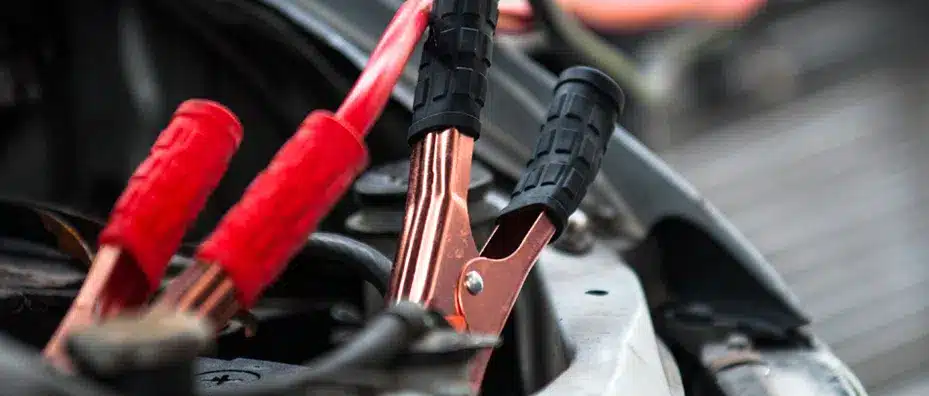
Cold temperatures slow down chemical reactions inside your battery, reducing its ability to hold a charge. A battery that was barely functioning in the fall
may fail entirely on a sub-zero morning.
Typical signs of a weak battery include slow engine cranking, dim headlights, blinking warning lights, or repeated jump-starts.
Batteries three years old or older are at higher risk. Rad Air can test voltage,
cranking amps, and your charging system to ensure winter reliability.
Coolant, washer fluid, and brake fluid are essential to winter performance. In freezing temperatures, these fluids can thicken, freeze, or expand—especially if they’re old or improperly mixed.
If your coolant hasn’t been flushed in two years or you’re using basic washer fluid, you could experience cracked lines, clogged nozzles, or overheating. A winter inspection at Rad Air ensures all major fluids are tested, topped off, or replaced to protect your engine and systems.
Moisture, salt, and temperature swings cause rust buildup and accelerate wear on brake pads, rotors, and calipers. Minor brake issues become dangerous quickly once snow and ice arrive.
Squealing, grinding, pedal vibration, or longer stopping distances indicate the need for a brake inspection. Rad Air technicians check pads, rotors, fluid clarity, and overall braking performance.

Winter road conditions in Ohio create potholes that form rapidly after freezes and thaws. Repeated impacts wear down shocks, struts, and bushings.
Signs of suspension problems include a rough ride, clunking noises, uneven tire wear, or your vehicle pulling to one side. Rad Air performs suspension and
alignment checks
to identify early damage and keep your vehicle stable.
For every 10-degree drop in temperature, your tires can lose up to 2 PSI. Low pressure reduces fuel efficiency and grip, especially on ice. Worn tread compounds the danger.
To stay safe, check tire pressure weekly and inspect tread depth. If tread falls below 5/32″, winter tires may be necessary. Rad Air offers inspections, rotations, replacements, and winter tire changeovers.
Ice can form inside door locks or window tracks, causing jamming or breakage. Forcing frozen components often leads to further damage.
Preventive lubrication of locks, tracks, and weather stripping helps avoid issues. If your windows or locks freeze or break, Rad Air provides reliable repairs.
Freezing temperatures can trigger warning lights by causing misfires, vacuum leaks, or EGR malfunctions. Small issues worsen quickly if ignored.
Rad Air uses advanced diagnostic tools to identify the cause of your check engine light and provide accurate, honest repair recommendations.
All winter vehicle issues are easier and cheaper to address before a breakdown happens. Cold weather accelerates wear on fluids, seals, electrical systems, and moving parts.
A full winter inspection should include:
If you aren’t sure your vehicle is winter-ready, Rad Air technicians can help.

Searching for “winter car repair near me”? Rad Air Complete Car Care serves drivers across Northeast Ohio with 11 trusted neighborhood locations:
Beat the cold, avoid breakdowns, and keep your vehicle safe all winter long. Rad Air provides expert service, transparent advice, and personalized care at every location.
Visit radair.com/schedule-online to book your winter service appointment or view current coupons. Cold weather is here—but your car doesn’t have to suffer.